Maggie Lewis is keeping
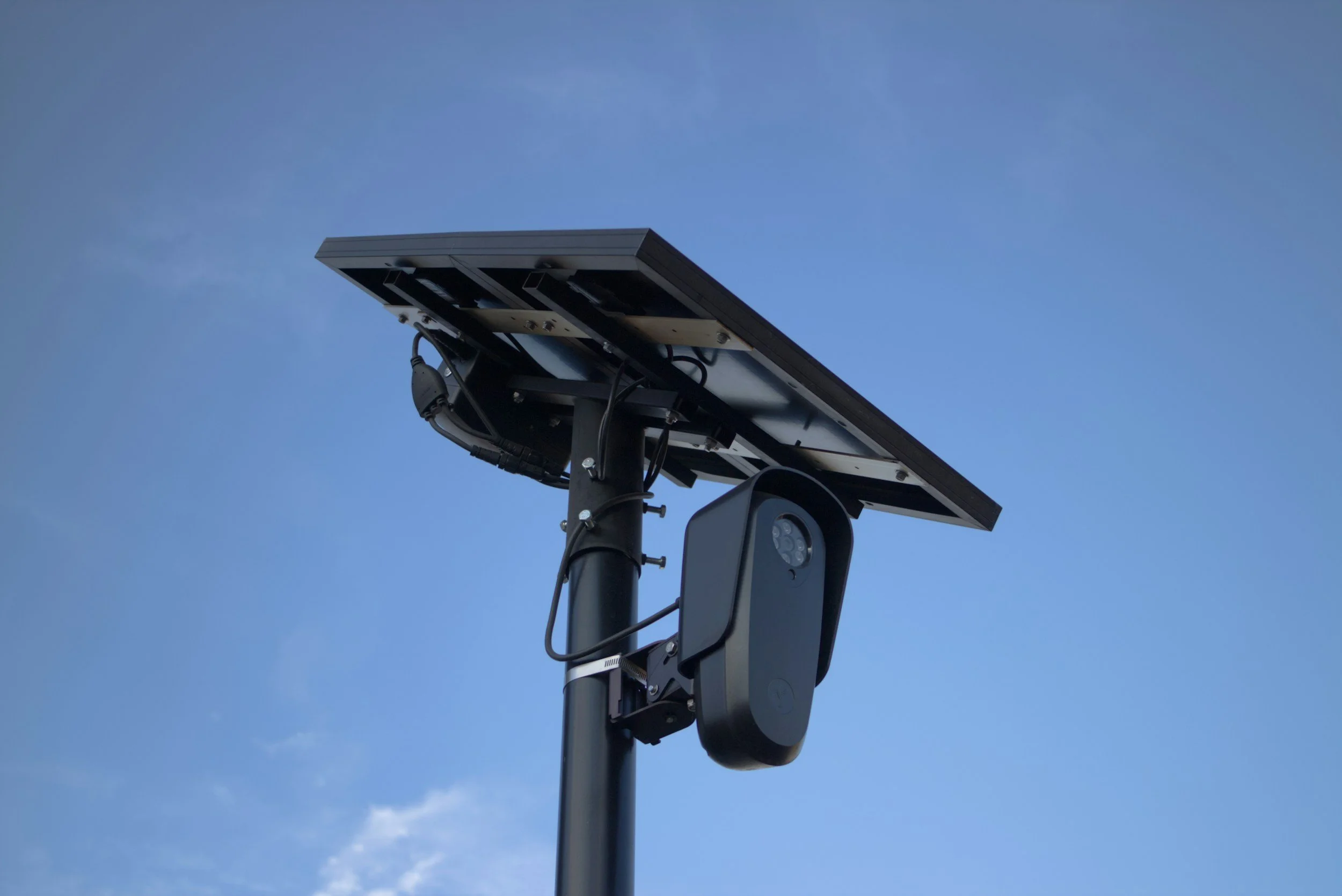
Flock’s eyes on you
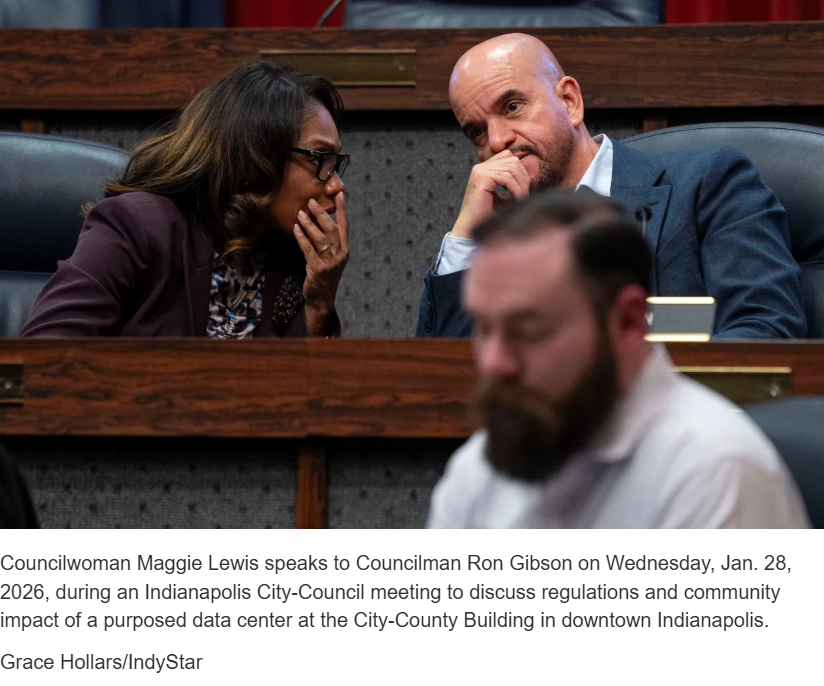
Since June 17th, Council President Maggie Lewis has blocked my proposal to regulate surveillance technology.
This political decision led to IMPD officers continuing to stalk members of the public for months undetected.
The people of Indianapolis agree:
Stop playing political games and introduce the proposal!
Local Legislation Overview
Here’s a reminder of how local legislation is supposed to work.
This whole process shouldn’t take more than a month or two at most.
-
Constituents reach out with a problem that requires a change to municipal code or city policy. Constituents and I work together to draft a proposal in plain English - what needs to change, and why?
This step usually takes at least a few weeks, depending on the complexity of the issue.
In terms of Flock cameras, constituents began this process in August of 2025.
I reviewed the best practices from cities across the United States, and settled on Austin, Texas’s TRUST Act as the model for legislation here in Indianapolis. -
The Council’s attorney works to identify legal roadblocks and recommend changes to avoid State preemption or legal challenges. They also write up the proposal in the correct legal format. Constituents and I incorporate this feedback into the draft, then formally submit it for introduction.
This normally takes a week or two - legally the Council attorney only has five days, but this is often unreasonable due to the hostile Indiana Statehouse and the difficulty of assisting 25 different Councilors.
Instead, I have still never seen a drafted localized version of the proposal, over 100 days after I requested this. -
The proposal is introduced at the next full Council meeting after it has been approved. The deadline for submission is typically five business days prior to the meeting.
Proposals are not debated or voted on at introduction. Instead, they are formally read into the record and referred to a committee to be discussed, debated, and voted on.
Council meetings are normally once per month - there are extras during the months of August, September, and October while the budget is being deliberated, but few new proposals are allowed on the agenda during this busy time.
My draft proposal was introduced prior to the deadline for the Council meeting on July 6th.
It was still not drafted on August 13th, when I released my open letter.
When it became clear the following month that the proposal would never be drafted, I worked to write it up myself and released it to the public on September 12. -
The relevant Council committee deliberates and debates the proposal, and all committee members vote on whether they believe the Council should pass the proposal.
If a majority of committee members vote in favor of the proposal, it is given a “do pass” recommendation.
No matter what, it is sent to the full Council to take a final vote at the next full meeting. A majority of Councilors at the full Council must vote “yes” in order to pass the proposal.
Either during committee or at the final approval vote, Councilors may amend the proposal or table it for further discussion.
If my proposal had been introduced and followed this timeline, it could have been passed into law prior to the Washington Post story exposed the unacceptably poor practices by IMPD. -
After a proposal is passed by the full Council, it immediately becomes law.
The Council does not have an enforcement arm, and thus some cooperation from the executive branch of government is typically required in order to put real changes into effect.
Individuals or organizations are able to sue if they believe this new law violates state law or the State or Federal Constitutions.
Judges are able to strike down municipal code changes, and the Indiana General Assembly at the Statehouse is able to pass a state law overriding or pre-empting the municipal law.
Instead, after 108 days, the Indianapolis Transparent and Responsible Use of Surveillance Technology (TRUST) Act is still not introduced.
Indianapolis is making national news for the horrific abuse of Flock Automatic License Plate Reader cameras by our police department, and still President Lewis does nothing.
She alone has the power to put the proposal on the agenda October 5th!